






Stay nourished, zero compromise
For over 16 years, Natvia has helped people cut back on sugar without cutting out sweetness. We started with natural sweeteners. Now we make a whole range of functional, feel-good foods designed to support your body, mind and mood, without asking you to give up the things you love.
What makes Natvia different?
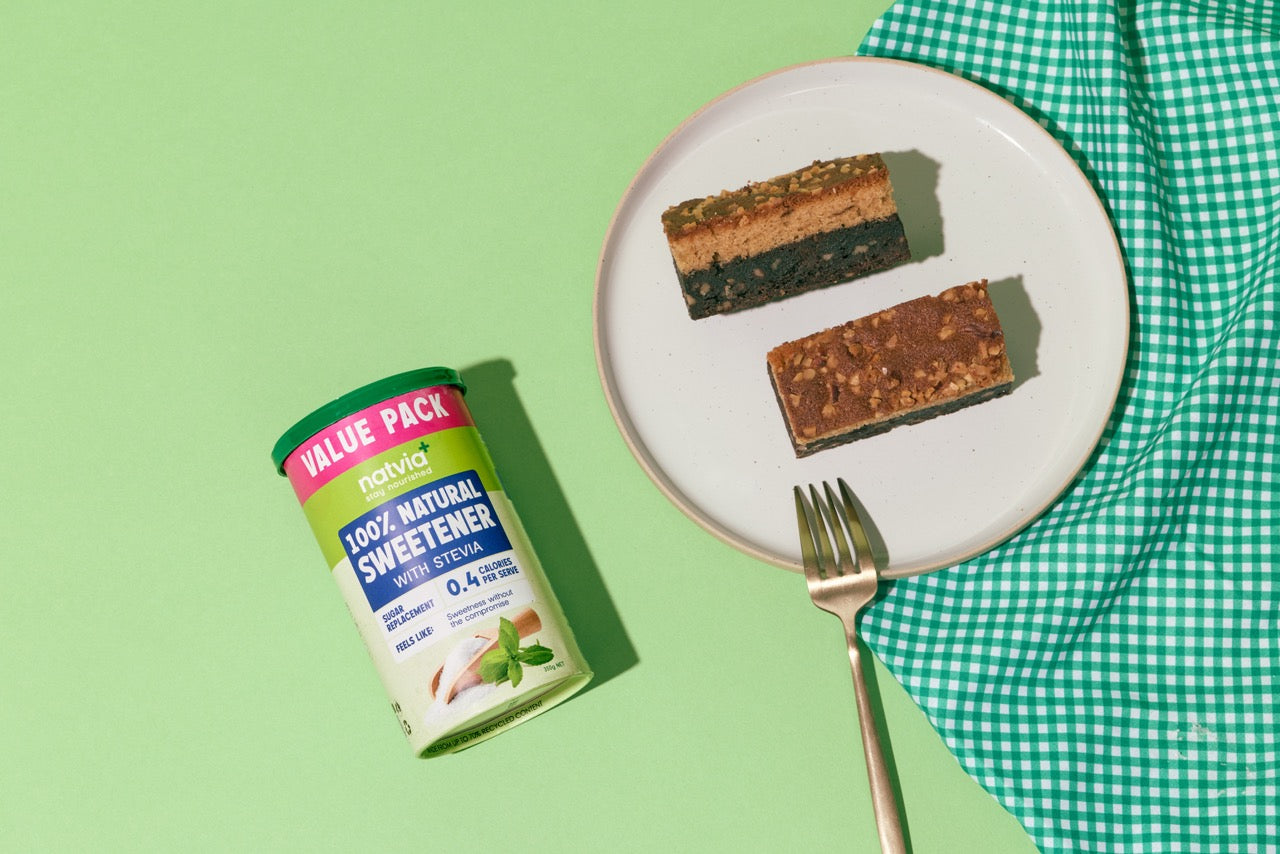
Our sweeteners are 100% naturally sourced. No artificial ingredients, no bitter aftertaste, and no blood sugar spike. Whether you are baking, stirring into coffee, or just cutting back on sugar, Natvia works exactly like sugar so you never have to compromise.

94% Less Calories Than Sugar
94% Less Calories Than Sugar
Sweeten without the excess. Enjoy the sweetness you love while supporting your calorie-conscious lifestyle.
100% Naturally Sourced
100% Naturally Sourced
Made with natural stevia and erythritol, Natvia contains no artificial sweeteners. You can feel confident knowing your sweetener is derived from real, natural ingredients.
No Bitter Aftertaste
No Bitter Aftertaste
Tastes just like sugar, no compromise. So you can have your favourite beverages and foods without the unpleasant aftertaste or sugar spike.
Smile Friendly
Smile Friendly
Reduced risk of tooth decay compared to sugar. Maintain a healthy smile while still enjoying the foods and drinks you love.
Low GI & Diabetic Friendly
Low GI & Diabetic Friendly
With a zero glycemic index, Natvia won’t affect blood sugar, making it an excellent option for people with diabetes or those on a low GI diet. It allows you to enjoy sweetness without compromising your blood sugar balance.
All Purpose
All Purpose
You can use Natvia for beverages, cooking, and baking, it's highly versatile. Natvia performs like sugar in all your favourite recipes, making it the perfect sugar swap.
Let customers speak for us

Great service
Gut Activation Sweetener is the undetectable superhero helping my gut to be healthy around the clock. It’s a “no brainer”.

All very good

It’s absolutely delicious! Please bring back to Coles or Woolies! We need it!

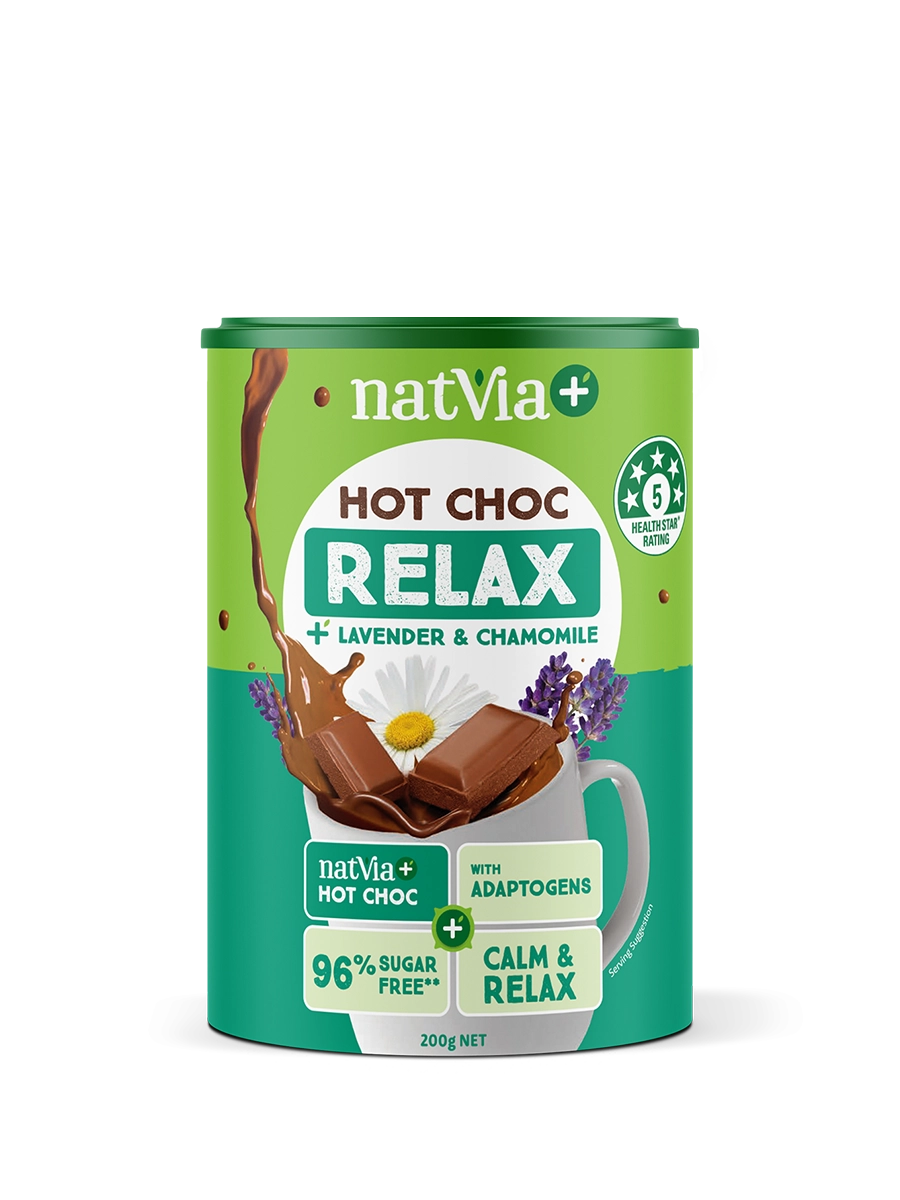
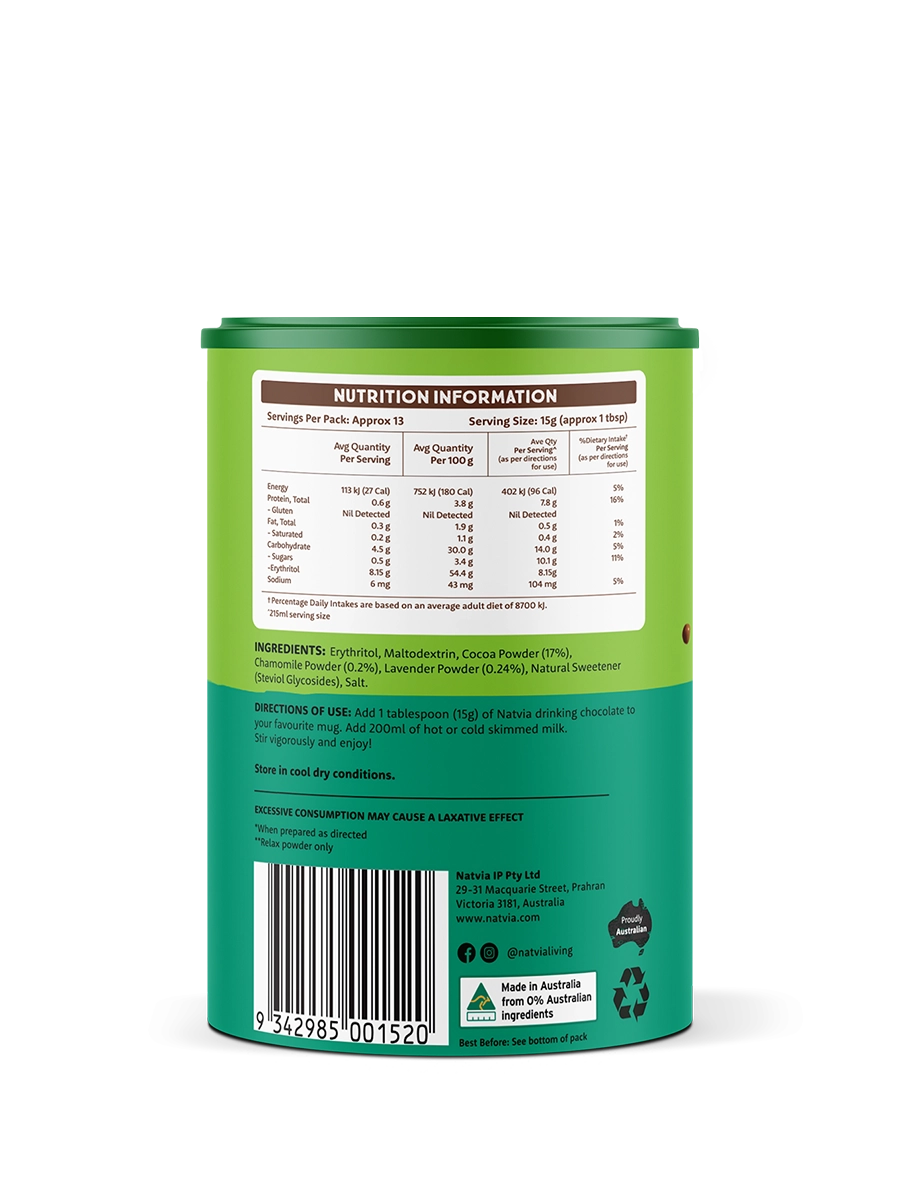
Natvia Relax Rich Hot Choc 200g
Wonderful, soothing drink that helps me to sleep.

The only natural sugar replacement there is.
Very good for people with Diabetes too.
Quick! Thanks

Great sweetner
Have to say it was worth the wait
Love this stuff

All great
Natvia Gut Activation Sweetener Stevia Canister 300g

Waiting for this to return miss it so much only jam that my stomach can handle goes perfect with toast or fresh , especially with peanut butter will be buying bulk again can not wait

Excellent
Our latest recipes

Chocolate Chip Protein Pancake
This chocolate chip protein pancake is a single-serve breakfast that comes together in one bowl and cooks in minutes. Greek yoghurt gives the pancake batter its protein hit, sweetened with a touch of Natvia Gut Activation Sweetener, then it's finished with a drizzle of peanut butter, maple syrup and a pinch of flaky sea salt.
Learn more
Korean Fried Cauliflower
This Korean fried cauliflower is adapted from CJ Eats (@cj.eats_), swapping the sugar in the sauce for Natvia Brown Sweetener. Bite-sized cauliflower florets are dipped in a light, cold batter and fried until shatteringly crisp, then coated in a sticky, spicy-sweet gochujang sauce, finished with sesame seeds and scallions.
Learn more
Milo Mocha
Milo has been part of the Australian pantry for generations, and this Milo mocha brings it together with a double shot of espresso for International Coffee Day. It layers the classic malted chocolate flavour Aussies grew up with over milk and ice, with a touch of Natvia Natural Sweetener and a sprinkle of extra Milo on top for crunch.
Learn more
Spooky Halloween Protein Balls
These spooky Halloween protein balls blend chickpeas, oats and vanilla protein powder into a thick dough, then coat it in melted dark chocolate and finish each one with a pair of edible eyes. Sweetened with Natvia Gut Activation Sweetener instead of sugar, they chill firm and make a fun addition to the Halloween table.
Learn more
Iced Mango Matcha
Spring is the perfect time to give your iced matcha a fresh, fruity upgrade, and this Iced Mango Matcha is just the thing. Sweet, juicy mango pairs beautifully with earthy matcha and creamy milk for a refreshing drink that tastes just as good as your favourite café order. A touch of Natvia Natural Sweetener brings everything together with the perfect amount of sweetness, without the added sugar. Served over plenty of ice, it’s bright, creamy and incredibly easy to make at home in just a few minutes. Whip one up on a sunny spring day for a refreshing little pick-me-up that feels like a treat, without the sugar overload.
Learn more
Chocolate Drink using Relax Hot Choc
Love hot chocolate but looking for something a little more refreshing? This creamy Iced Hot Choc Relax is the perfect way to enjoy a chocolatey treat while cooling down. Made with Natvia Hot Choc Relax, cold milk, ice and your favourite toppings, this easy recipe is perfect for warm afternoons or whenever you feel like taking a little moment for yourself. Simply mix, pour over ice, top with marshmallows and enjoy! Ready in just a few simple steps, this refreshing chocolate drink is the perfect excuse to slow down and relax.
Learn more
Tips for nourishment

The Everyday Wellness Reset: 8 Simple Habits for Feeling Your Best
Wellness can sometimes feel complicated. There are always new trends to try, products to buy and routines promising to transform your life. But genuine everyday wellbeing doesn't have to be expensive, complicated or perfect. A more sustainable approach is to focus on the basics: nourishing your body, moving regularly, staying hydrated, getting enough sleep, managing stress and making time for the people and activities you enjoy. The Australian Dietary Guidelines similarly focus on overall eating patterns and a variety of nutritious foods rather than telling people to completely avoid individual foods. Here are eight simple habits that can help make everyday wellness feel a little more achievable. 8 Simple Habits to Bring Into Your Day 1. Nourish your body. Build meals around a variety of nutritious foods, including vegetables, fruit, wholegrains, dairy or alternatives and sources of protein. You don't need every meal to be perfect. Think about what your overall pattern looks like across the day and week. 2. Stay hydrated. Keep water nearby throughout the day and make it your go-to drink. Having a reusable bottle with you can make staying hydrated a little easier. 3. Move regularly. Movement doesn't have to mean an intense workout. Walking, stretching, cycling, dancing or simply breaking up long periods of sitting can all help you stay active. 4. Prioritise sleep. Sleep is not wasted time but it's a part of taking care of yourself. For adults aged 18–64, it is recommended 7–9 hours of good quality sleep with consistent bed and wake times. 5. Make room for stress management. You don't have to eliminate every stressful moment. Instead, find simple ways to create pauses throughout your day—take a walk, listen to music, practise slow breathing or spend a few minutes away from your screen. 6. Stay connected. Make time for conversations, shared meals, hobbies or simply being around people you enjoy. Wellness isn't only about what we do individually, relationships and connection are part of everyday life. 7. Enjoy food without guilt. Healthy eating doesn't mean taking the enjoyment out of food. Give yourself permission to appreciate your favourite meals and treats. Balance is about how your choices fit together, rather than labelling individual foods as “good” or “bad.” 8. Be mindful of excess sugar. Australian dietary guidance recommends limiting foods and drinks containing added sugars. If reducing sugar is one of your personal goals, small swaps can make the process feel more manageable. For example, you might choose a lower-sugar or sugar-free option for an everyday drink or recipe you already enjoy. Choose Balance Over Perfection The biggest mistake we can make with wellness is turning it into another reason to feel like we're not doing enough. You don't need to completely change your lifestyle overnight. Start with one habit that feels realistic. Drink more water. Take a short walk. Go to bed a little earlier. Put your phone away during meals. Make time for a friend. Or try a simple swap in one of your everyday foods or drinks. Natvia can be one example of this approach. Its range includes sugar-free sweeteners designed for everyday uses such as beverages, cooking and baking, giving people an option when they want to reduce sugar without giving up sweetness. The goal is finding choices that fit naturally into your life and that you can comfortably maintain. Wellness isn't built through one perfect day. It's built through the small choices we repeat—most days, over time. Everyday wellness is about small choices that add up, not chasing perfection. So forget the pressure to do everything. Start small, choose what works for you and remember that balance will always be more sustainable than perfection.
Learn more
The Power of Small Moments: Simple Ways to Look After Your Mental Wellbeing Every Day
We do so much to take care of our bodies. We exercise, go to the gym, practise Pilates, eat well and try to stay active. But when it comes to taking care of our minds, we often tend to neglect it or make it feel much more complicated than it needs to be. The truth is, looking after our mental wellbeing doesn't always require a major lifestyle change. Sometimes, it can be as simple as taking a proper break during a busy day, stepping outside for some fresh air, calling a friend or simply sitting down and enjoying a drink without rushing on to the next thing. These small moments can give us the opportunity to pause, reset and be more present. After all, our mind is part of our body too and arguably one of the most important part! Yet, because we can't always see when our mind needs care, it can be easy to put our mental wellbeing at the bottom of the list. World Mental Health Day, held on 10 October each year is an important reminder that mental health deserves to be part of our everyday conversations and priorities, not something we only think about when we're struggling. So, rather than thinking of wellbeing as another task to add to an already busy schedule, perhaps it's worth looking at the small moments already built into our day. From taking a genuine break to enjoying our morning coffee a little more mindfully, wellness can sometimes be found in the ordinary moments we so often rush past. Make Space For Yourself Our days can easily become a cycle of work, study, errands, responsibilities and screens, leaving very little time to simply stop. Looking after our mental wellbeing doesn't necessarily mean adding another complicated routine to an already busy schedule. Sometimes, it means creating small pockets of space within the routine we already have. A proper break can be as simple as stepping away from your desk, taking a few minutes outside, stretching, going for a short walk or putting your phone down. The important part is giving yourself permission to pause rather than using every spare minute to catch up on something else. The same idea can apply to the boundaries we create around work. Switching off notifications, finishing work at a set time or keeping part of the evening free from work related tasks can help create a clearer transition between “work time” and “me time”. And don't forget “sleep”. A relaxing evening ritual, whether that's reading, listening to music, having a warm drink or simply dimming the lights can create a gentle transition from a busy day towards rest. The goal isn't to create a perfect routine, but to find small habits that make your day feel a little less rushed. Turn Ordinary Moments Into Little Rituals A routine is something we often do automatically. A ritual is an everyday activity we choose to experience more intentionally. Consider your morning drink. It could be something you quickly finish while checking emails and scrolling through your phone. Or it could become five minutes where you sit down, take a breath and actually enjoy the drink in front of you. That small difference of “doing something and being present while doing it” can change how an ordinary moment feels. Paying attention to the aroma of your coffee, the warmth of your mug or the first sip of your favourite drink gives your mind a chance to step away from everything else for a moment. The same approach can be applied to food. Rather than eating while working or scrolling, try sitting down and enjoying your meal without distractions when you can. Notice the flavours, textures and aromas and give yourself permission to enjoy the experience. For those who are mindful of their overall sugar intake, everyday rituals can also be an opportunity to make simple choices that fit their lifestyle. A lower-sugar or sugar-free alternative, such as Natvia can be one practical swap for an everyday drink or recipe. Wellbeing Doesn't Have To Be Complicated We often think of wellbeing as something we need to actively do: exercise, meditate, journal, follow a routine or achieve a particular goal. But sometimes, looking after ourselves can simply mean paying more attention to the life that's already happening around us. Go outside and notice the sunlight, trees or fresh air. Take a walk without turning it into another task to complete. Call a friend instead of sending a quick message. Share a meal with someone you care about. Listen to music while you cook. Take a few quiet minutes at the end of the day to reflect on something that went well. These moments don't need to be impressive or productive. Their value can simply come from giving ourselves time to connect with ourselves, other people or the world around us. Ultimately, looking after our mental wellbeing doesn't have to mean doing more. Sometimes, it means doing a little less, slowing down and allowing ourselves to actually experience the moment we're already in. And that is where everyday wellness can begin one step at a time.
Learn more
Building Healthy Family Habits That Actually Stick
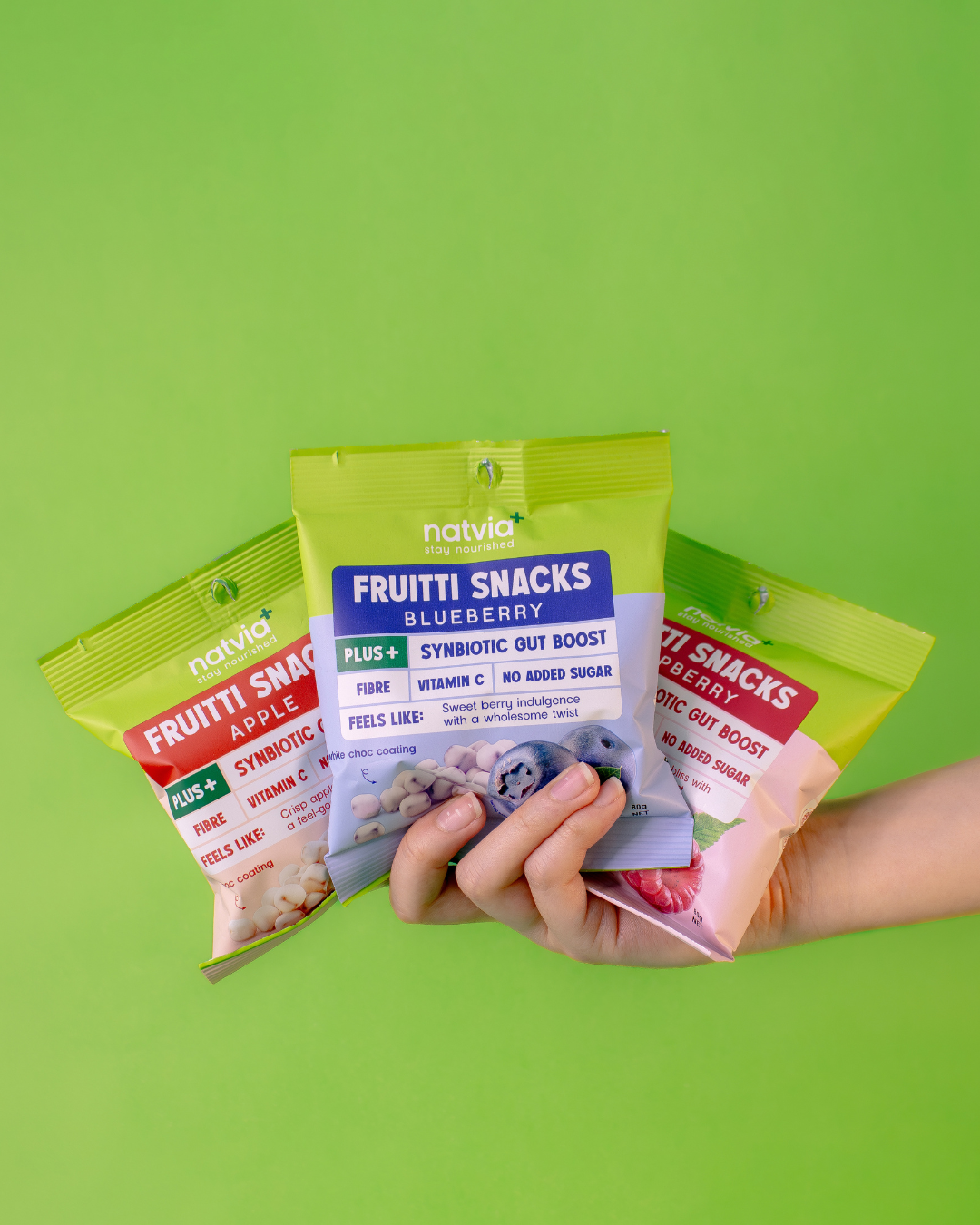
When it comes to healthy eating as a family, perfection isn’t the goal. Between busy mornings, school runs, work and after-school activities, complicated food rules can be difficult to maintain. Instead, building healthy habits can be about creating an environment where balanced choices are easy, enjoyable and simply part of everyday life. Research supports this approach. A study by Gardner. et al, exploring the psychology of habit formation found that repeating a behaviour in a consistent setting can help it become more automatic over time. In other words, small actions that fit naturally into family life may be easier to maintain than dramatic changes that rely on motivation alone. So, what can this look like at home? Start the day with breakfast Making breakfast a regular part of the morning routine is a simple place to start. It doesn't need to be elaborate either, some wholegrain toast and eggs, yoghurt with fruit and oats, or even overnight oats prepared the night before is a perfect way to start. The key is making the habit convenient and repeatable. Keeping a few reliable breakfast staples in the kitchen or preparing things the night before can make a balanced breakfast much easier on busy mornings. Keep nourishing snacks within reach Our environment can influence the choices we make, so make nourishing snacks some of the easiest options to grab. Keeping fruit visible on the kitchen bench and stocking the fridge or pantry with yoghurt, chopped vegetables, nuts, wholegrain crackers and other family favourites means there are plenty of options when someone inevitably asks, “What's there to eat?”. Natvia Fruitti Snacks are the perfect pantry snack for the whole family, with Vitamin C, fibre, gut synbiotics and no added sugar. This isn't about removing biscuits, chocolate or other treats from the pantry. Instead, it's about making balanced everyday options convenient too. Get everyone involved Food preparation can also become a family activity. Depending on their age, kids might wash vegetables, mix ingredients, assemble their own lunch or help choose what's for dinner. The National Institutes of Health encourages families to work together when establishing healthy habits, recognising that parents can help shape a home environment that supports healthier choices. It may make dinner preparation a little messier, but getting involved can help make preparing and enjoying a variety of foods a normal part of family life. Make small swaps where they work for you Creating a healthier household doesn't mean giving up the foods you love. Sometimes, it can be as simple as making a few thoughtful swaps. For example, you might compare labels when buying everyday staples, cook more meals at home or look for ways to reduce added sugar in some of your favourite recipes. For households looking to cut back on added sugar, Natvia can be a simple pantry swap. Natvia's natural sweeteners can be used in place of sugar in everything from your morning coffee to baking and family-favourite recipes, helping make lower-sugar choices easier without giving up sweetness. It's not about removing sugar from every part of family life. Instead, Natvia can form part of a broader household approach to making small, practical changes that work for you. Make water the everyday choice Another simple habit is making water the default drink at home. Keeping reusable bottles filled and ready to go or serving water with everyday meals can help make reaching for it feel automatic. Again, the goal isn't to create strict rules around other drinks. It's about making the everyday option the easiest one. Share meals when you can You don't need to sit around the dinner table together seven nights a week to create a positive family routine. A 2024 systematic review examined 170 studies on family routines and found that routines were associated with positive outcomes across several areas of child development. Mealtimes were among the most commonly studied family routines. Whether it's weekday dinners, Saturday breakfast or Sunday lunch, finding opportunities to eat together can create consistency while giving everyone a chance to connect. Wellness isn't about perfect eating, it's about creating everyday habits that work for the whole family.
Learn more
Your Spring Reset: Simple Ways to Feel Refreshed Without the All-or-Nothing Approach
There’s something about spring that makes us want to start fresh. The days get longer, the weather warms up and suddenly the routine we were used to in the winter no longer feels right. But a spring refresh doesn’t have to mean a strict new routine, a detox or cutting out everything you enjoy. In fact, taking an all-or-nothing approach can make healthy habits harder to maintain. Instead, think about the small things you can do more consistently to support your overall health and wellbeing. This can be getting outside and moving your body or even eating a little more mindfully and making time for better sleep. Ways to make a difference day to day Start your morning with something nourishing A good day doesn’t necessarily start with a complicated breakfast. Look at what you already enjoy and think about how you can make it a little more nourishing. Adding fruit, whole-grains, nuts, seeds or a source of protein can help create a more balanced breakfast. If you prefer something sweet in the morning, there’s no reason to take that enjoyment away. It’s about finding a balance that works for you. A healthy diet is built around variety, with foods such as vegetables, fruit, whole-grains, legumes, nuts and sources of protein forming part of an overall balanced eating pattern. Get outside and move more Spring makes it easier to spend time outdoors, so take advantage of it. Go for a walk before work, take your lunch outside, head out after dinner or simply find more opportunities to move throughout the day. It doesn’t have to be a structured workout every time. Australian guidelines recommend adults be active most days for an average of 30 mins, include muscle-strengthening activities and break up long periods of sitting. The best approach is choosing something that easily fits into your life, and you’ll actually want to keep doing. Make hydration a habit With warmer days ahead, keeping water nearby is a simple habit worth prioritising. Keep a bottle at your desk, in the car or in your bag, and make water an easy choice throughout the day. If you enjoy a little flavour, add lemon, lime, mint or fresh fruit. You can also look at your usual drinks and consider where a lower-sugar option might work. Give sleep some attention Feeling refreshed isn’t just about what you do during the day. Sleep plays an important part in overall health and wellbeing, too. Rather than trying to create the perfect bedtime routine, start with something achievable. Aim for a more consistent bedtime, wind down without your phone or give yourself a little more time to switch off at night. For adults aged 18–64, the sleep health foundation recommend 7–9 hours of good-quality sleep, with consistent bed and wake times. Be mindful, not restrictive Healthy eating doesn’t mean never eating something sweet. Instead, take a look at your overall eating habits. Are there easy opportunities to include more whole foods? Could you choose water more often? Is there sugar you regularly add to food or drinks that you wouldn’t mind reducing? The World Health Organisation recommends limiting free sugars to less than 10% of daily energy intake, while noting that reducing intake further may provide additional benefits. That doesn’t mean you need to eliminate sweetness or stop enjoying your favourite foods. Small swaps can be a more practical way to make changes that fit into everyday life. Swapping sugar for a natural sweetener If you regularly add sugar to coffee, tea, breakfast or homemade recipes, switching to a natural sweetener such as Natvia can be one simple way to reduce the sugar you add while keeping the sweetness you enjoy. It’s not about turning every choice into a “healthy” choice. It’s simply another option you can use when it suits your routine. And that’s really the idea behind a spring refresh: You don’t have to change everything at once. Small habits, rather than a complete overhaul The philosophy behind James Clear’s award winning book, "Atomic Habits" is useful here. Rather than relying on big goals or dramatic changes, focus on making small improvements and creating systems that make good habits easier to repeat. Applying this to a spring refresh could mean starting with one simple change: A walk after lunch. An extra glass of water. A more balanced breakfast. An earlier bedtime. Swapping the sugar in your morning coffee for Natvia. None of these changes needs to transform your life overnight. But when they become part of your normal routine, they can contribute to a healthier, more balanced way of living. This spring, let go of the pressure to reset everything. Start small, find what works for you and build from there.
Learn more
Check In on Dad: Why Fathers' Mental Health Matters
Every Father's Day, the gift guides come out: a new drill, a decent pair of headphones, something for the garden he's been putting off buying himself, maybe a hose that finally reaches the back fence. It's a nice tradition. Dads are notoriously hard to shop for and there's a real satisfaction in nailing the right gadget. But somewhere between the wrapping paper and the barbecue, it's worth asking the question the gift guides don't. Do you actually talk to him? Not about the footy, or the renovation, or how work's going. About how he's really doing. Most of us don't, not really, and it's not for lack of caring. It's just that dads are easy to overlook precisely because they're reliable. He's the one who's up first on Saturday mornings, who remembers exactly how you take your coffee, who still asks how that thing from three weeks ago turned out. Because he's always the one holding things together, it rarely occurs to anyone to ask whether he needs holding up too. Why Checking In Is Worth the Slightly Awkward Moment Dads are not immune to depression and anxiety. According to PANDA (Perinatal Anxiety & Depression Australia), up to 1 in 10 Australian fathers experience depression around the arrival of a new baby, in the same window where the conversation has traditionally focused almost entirely on mothers. Postnatal depression in mums deserves every bit of that attention. The partner standing alongside her has often just been left out of the picture. It isn't only new dads, either, and it doesn't always look like sadness. Healthdirect's guidance on men's mental healthnotes it can show up sideways: irritability, a shorter fuse, withdrawing from family and mates, sleeping badly, drinking more, or quietly disappearing into work. If the dad in your life seems flat, distant or wound tighter than usual lately, that's worth a conversation, even if he insists everything is fine. Especially if he insists everything is fine. Part of why so many men stay quiet is generational. According to Beyond Blue, 43% of Australian men will experience anxiety or depression at some stage in their lives, yet only 37% of men and boys reach out for support when they need it. Many grew up with the message that strength means carrying things alone. It's a costly habit to have inherited, and it's part of why Beyond Blue's research consistently finds men are underrepresented in the people who ask for help before things get serious. The encouraging part is that this is shifting. Beyond Blue's own data shows men are gradually getting better at recognising when something's wrong and saying so out loud. Culture moves one conversation at a time, and Father's Day is as good a day as any to start one. How to Check In on the Dads in Your Life None of this needs training or a script, just a bit of curiosity and the willingness to actually listen. Ask something other than "how's work?" Try "what's been on your mind lately?", "how are you sleeping?" or "what are you doing for yourself these days?" Many men find it easier to open up side by side than face to face, on a walk, on a drive, over some shared task, when the conversation has somewhere else to look. Listen without rushing to fix anything, since being heard is usually the actual point. And ask twice: the first "I'm fine" is often a reflex, and a gentle "how are you really?" gives him permission to answer honestly. If something genuinely worries you, just say what you've noticed, kindly and specifically. "You seem flat lately and I care about you" tends to open more doors than staying quiet ever will. For the Dads Reading This Struggling doesn't make you less of a father. If anything, looking after your own wellbeing is one of the more practical things you can do for your kids, since they learn how to handle hard feelings largely by watching you handle yours. None of this needs a crisis as the entry point. A conversation with your GP is a reasonable first step, and it can be as simple as booking an ordinary appointment and saying things haven't felt right lately. Dadspace is another good starting point, a free Australian resource built specifically for dads. Beyond Blue also has dedicated support for parents. Where to Find Support If you or a dad you love could use it, these services are free and confidential: Dadspace – practical mental health and parenting support built for Australian dads: dadspace.com.au Beyond Blue – 24/7 support for anxiety and depression: 1300 22 4636 MensLine Australia – counselling for men, any time: 1300 78 99 78 Lifeline – 24/7 crisis support: 13 11 14 Healthy Heads – wellbeing resources and programs: healthyheads.org.au If a life is in immediate danger, call 000. This Father's Day, give the dad in your life something better than socks: a real conversation. And if you know a dad who could use this, send it his way. It might be the nudge he's been waiting for.
Learn more
Do Sweeteners Make You Hungrier? What the Research Says
It is one of the most repeated claims in nutrition conversations: sweeteners trick your body into expecting calories, and when none arrive, you end up hungrier and eat more later. It sounds plausible. It gets shared confidently. But when researchers have actually tested it in controlled studies, it hasn't held up. Does the "Sweeteners Make You Eat More" Theory Hold Up? Mostly, no. The theory has been tested directly. The simplest test looks like this: give people a food or drink made with a low-energy sweetener, then see what they eat afterwards compared with people given the sugar version. A study published in the journal Appetite did exactly that. Participants had stevia, aspartame or sucrose before lunch and dinner, while researchers tracked their hunger, fullness and food intake. Even though the sweetener version had around 200 fewer calories, people did not eat more to make up for it. One study is one study though, which is why the bigger picture matters more. What the Larger Body of Evidence Shows A systematic review and meta-analysis published in the International Journal of Obesity pulled together the human evidence on this question. Across 129 comparisons in short-term randomised controlled trials, people who had low-energy sweeteners instead of sugar before a meal ate less overall, not more, by an average of 94 calories. Longer trials, running from four weeks to over three years, pointed the same way, with sweetener use linked to modestly lower body weight than sugar. The authors were direct: the evidence from human randomised controlled trials shows low-energy sweeteners do not increase energy intake or body weight. In plain terms, when this theory meets a controlled trial, the trial wins. It's worth noting what these trials actually measured, because it's a strong kind of test. They didn't just ask people if they felt hungry, since that's easy to get wrong. They counted what people actually ate afterwards, with food freely available. If sweeteners really did make the body chase down missing calories, this is exactly where it would show up. It didn't. So Why Does the Claim Persist? Partly because early animal studies seemed to support it. Those studies often used amounts and feeding patterns that do not reflect how people actually use sweeteners day to day. Partly because some studies simply observe habits rather than test them, and those sometimes find that people who drink diet drinks weigh more. That is a case of cause and effect running backwards: people often start using sweeteners because they are already watching their weight, not the other way around. And partly because there is a genuine scientific conversation still happening. In 2023, the World Health Organization advised against using sweeteners specifically as a weight-loss tool, since the long-term evidence for weight control is still uncertain and sweeteners alone are not a magic fix. That is a fair and worthwhile caution, and it is a different claim from "sweeteners make you hungrier." The honest reading of the evidence is that sweeteners are not a weight-loss strategy on their own, but they also do not appear to drive your appetite up the way the popular theory suggests. Worth adding for local context: sweeteners sold in Australia, including the steviol glycosides in stevia-based products, are assessed and approved for safety by Food Standards Australia New Zealand before they reach shelves. How to Read Headlines About Sweeteners Observational studies can show that two things happen together, like diet drink habits and body weight, but they can't show which one causes the other. This is exactly where the cause-and-effect mix-up happens. Animal studies are useful for understanding how something works in the body, but they often use amounts and setups far removed from someone stirring stevia into a flat white. Randomised controlled trials, where people are assigned to sweetener or sugar and everything else stays the same, are built to answer the appetite question properly. So next time a headline lands, three simple questions help: was it tested in humans, was it randomised, and did it measure what people actually ate rather than how hungry they said they felt. Studies that pass all three have been remarkably consistent, and the ones behind the scariest headlines usually have not. What This Means in Practice The simplest way to think about a sweetener is not as a health product, but as a subtraction tool. It takes the sugar out of something you were going to enjoy anyway: your morning coffee, a weekend bake, a hot chocolate at night. The sweetness stays, the sugar goes, and the research above suggests your appetite carries on as normal. Natvia Natural Sweetener is made from stevia and erythritol and swaps into tea, coffee and baking without the sugar, so you can run the test that matters most: how it works for you over a normal week. It's worth remembering what a fair test looks like in your own kitchen. One day proves nothing either way. Two or three weeks of your normal routine with the swap in place, keeping half an eye on your snacking and evenings, will tell you more about your own appetite than any headline can. Next time someone tells you sweeteners will send you raiding the pantry by 9pm, you'll know what the controlled trials actually found. Usually, the pantry stays shut.
Learn more
We make healthy shopping easy

Customer service
Feel free to reach out, and we’ll get back to you as soon as possible

Fast free shipping
Get free shipping on orders of $100 or more

Subscribe and save
Subscribe to our newsletter and get 15% off your next order

Secure payment
Your payment information is processed securely